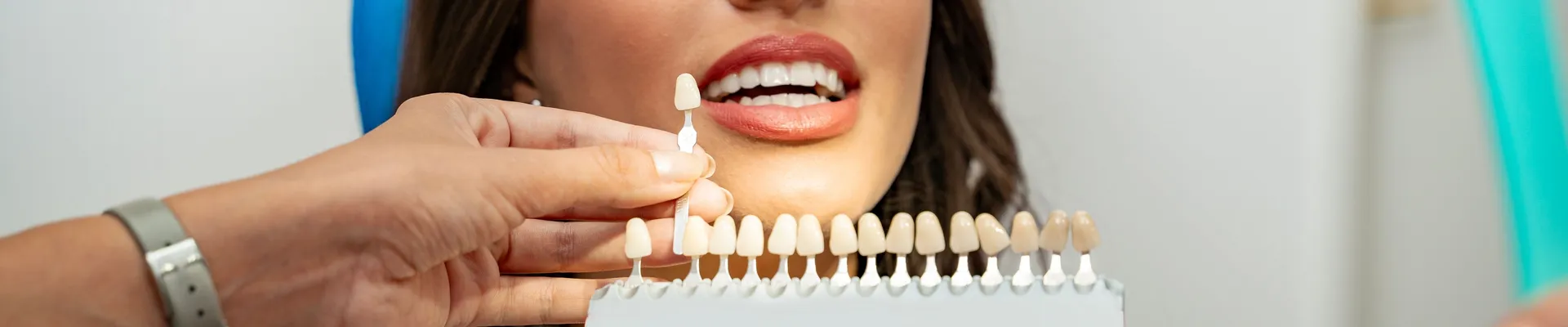
Teeth Whitening in Bristol, CT
Henderson & Goslee Family Dentistry offers teeth whitening in Bristol, Connecticut, for patients who want a brighter, more confident smile. This page explains how professional whitening works, who it helps, and what to expect before, during, and after treatment.

Teeth Whitening Explained
Teeth whitening is a cosmetic dentistry treatment that lightens discoloration in tooth enamel and dentin. Professional systems use carefully measured concentrations of hydrogen peroxide or carbamide peroxide to break up stain molecules. This approach can lift common stains from coffee, tea, red wine, tobacco, and natural aging with predictable results. Professional whitening is designed to be safe when supervised in a dental setting and tailored to your teeth and goals.
Whitening can be completed in the office for fast results or at home using custom trays made from impressions of your teeth. Many patients choose a combination approach for both speed and lasting maintenance.
Benefits of Professional Teeth Whitening
- Noticeable color change in a short time
- Custom care that considers tooth shade, enamel, and sensitivity
- Even, natural-looking brightness across visible teeth
- Guidance on safety and realistic expectations
- Flexible options, including in-office and custom take-home trays
How Teeth Whitening Works
In-Office Whitening
In-office whitening delivers rapid results in a single visit. The gums are protected, and a professional-strength whitening gel is applied in short, controlled intervals. Light activation may be used depending on the system. Our team monitors progress to reach an even shade while minimizing sensitivity.
Custom Take-Home Trays
Custom trays are made from precise models of your teeth for a snug fit. A prescription gel is placed in the trays and worn as directed, often 30–60 minutes per day for one to two weeks. This method offers gradual, controlled whitening and is ideal for maintenance after in-office treatment.
What to Expect
At the consultation, your dental team reviews your oral health, existing dental work, and shade goals. Surface plaque and tartar are addressed first, since a clean surface allows the gel to work evenly. During treatment, it is normal to feel brief “zingers” or temporary cold sensitivity. Most sensitivity resolves within 24–48 hours.
After whitening, avoid deeply colored foods and drinks for 24–48 hours, such as coffee, tea, red wine, dark sauces, and berries. Use a straw for beverages when possible. A desensitizing toothpaste with potassium nitrate can help if teeth feel sensitive. Results are not permanent, but they can last months to years with good hygiene and touch-up use of trays as instructed.
Important considerations: Whitening does not change the color of crowns, veneers, or tooth-colored fillings. If these are in the front of the mouth, replacement may be discussed to match a brighter shade. Whitening is generally not recommended during pregnancy or breastfeeding, or for children whose teeth and gums are still developing.
Understanding Your Whitening Options
Deciding between in-office and take-home whitening depends on timing, budget, and sensitivity. In-office treatment is best for immediate results before events. Take-home trays allow fine-tuning and lower daily sensitivity for some patients. Many choose in-office whitening first and maintain with periodic tray use to keep the shade stable.
Frequently Asked Questions About Teeth Whitening

Contact Us
We'd Love to Hear From You
255 N. Main St., Bristol, CT 06010
Office Hours